Discover our techniques for achieving a more youthful and rejuvenated facial appearance by restoring lost volume, reducing wrinkles, or refining your naturally beautiful features.
La Jolla , California Dr. Glynn Bolitho Quadruple Board-Certified
Unleash Your Inner Radiance: Where Artistry Meets Precision
Dr. Bolitho’s surgical brilliance goes hand in hand with our commitment to empowering you. It's not just about the procedures; it's about understanding your aspirations and crafting a personalized plan that suits your needs.

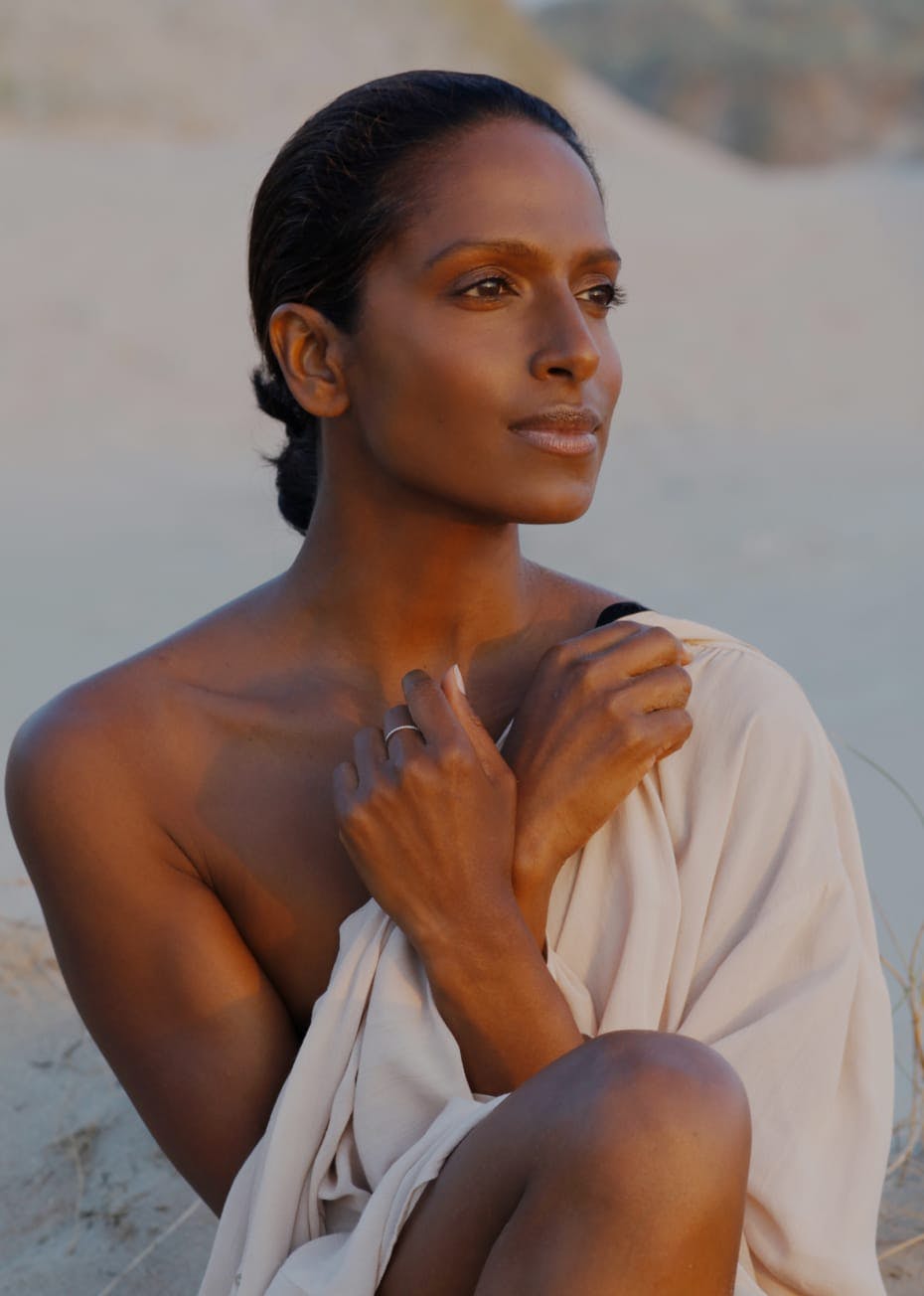
Face
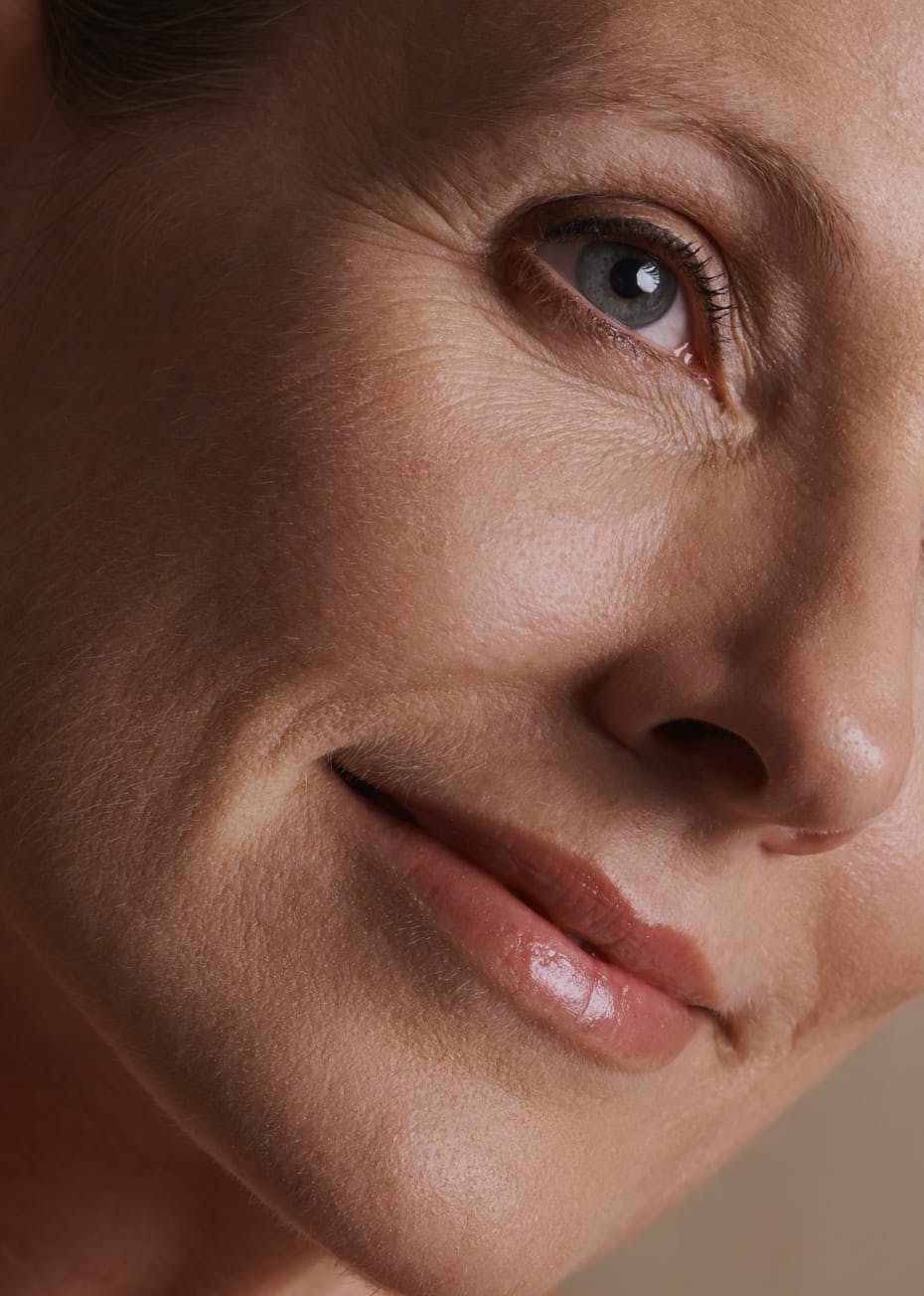
Eyes
Reveal your most vibrant and captivating self with our transformative eye procedures. Our treatments are designed to revitalize your eyes, helping you look bright and refreshed.
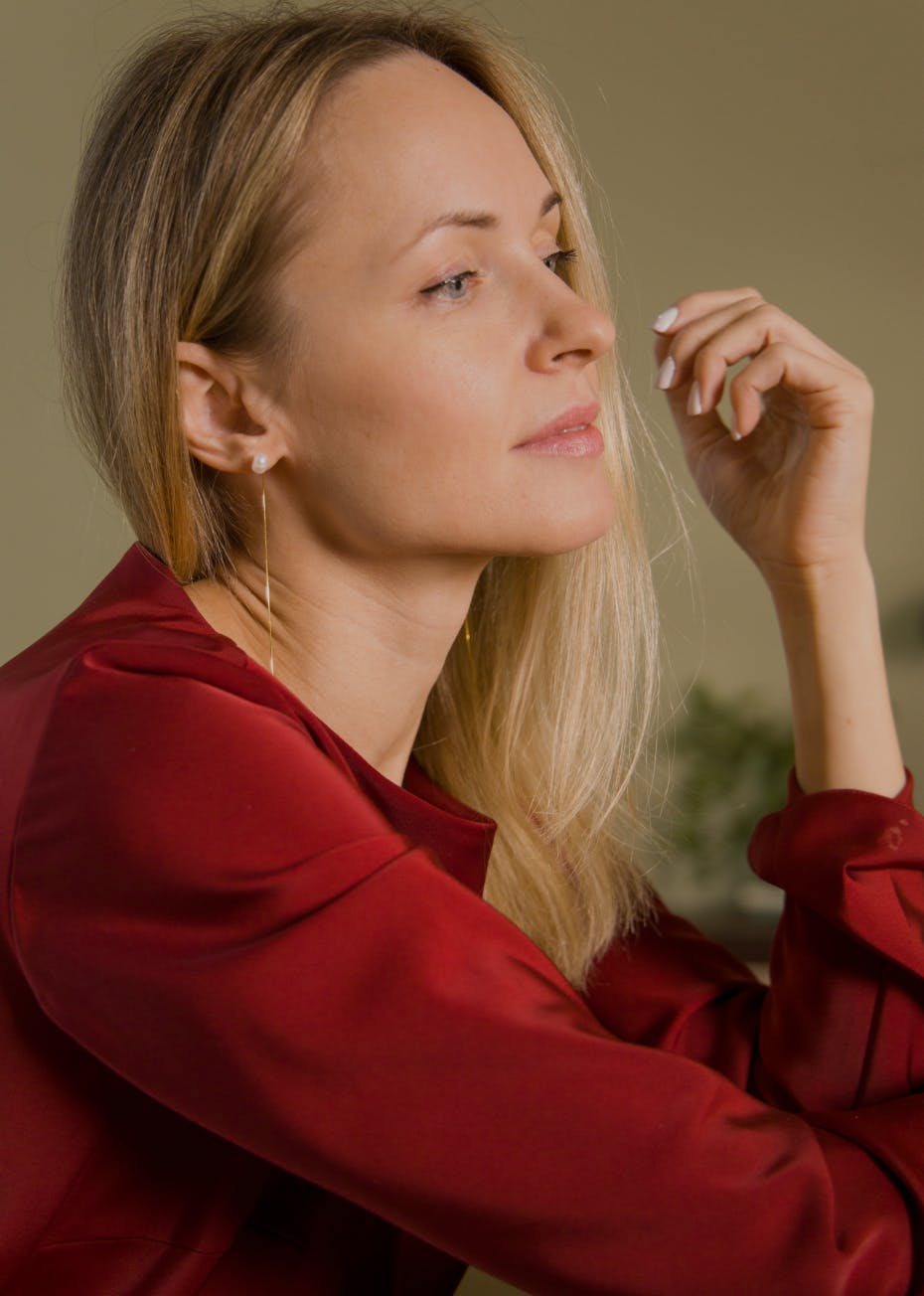
Neck
Our neck treatments are carefully tailored to restore your natural grace and confidence. Experience the benefits of a firmer, more defined neck, and let your elegance shine through.
Non-Surgical
Our non-surgical treatments offer a simple, safe, and effective way to enhance your natural beauty. Discover a radiant, refreshed you without the need for surgery.
Every procedure is a masterpiece of care, dedication, and transformation.


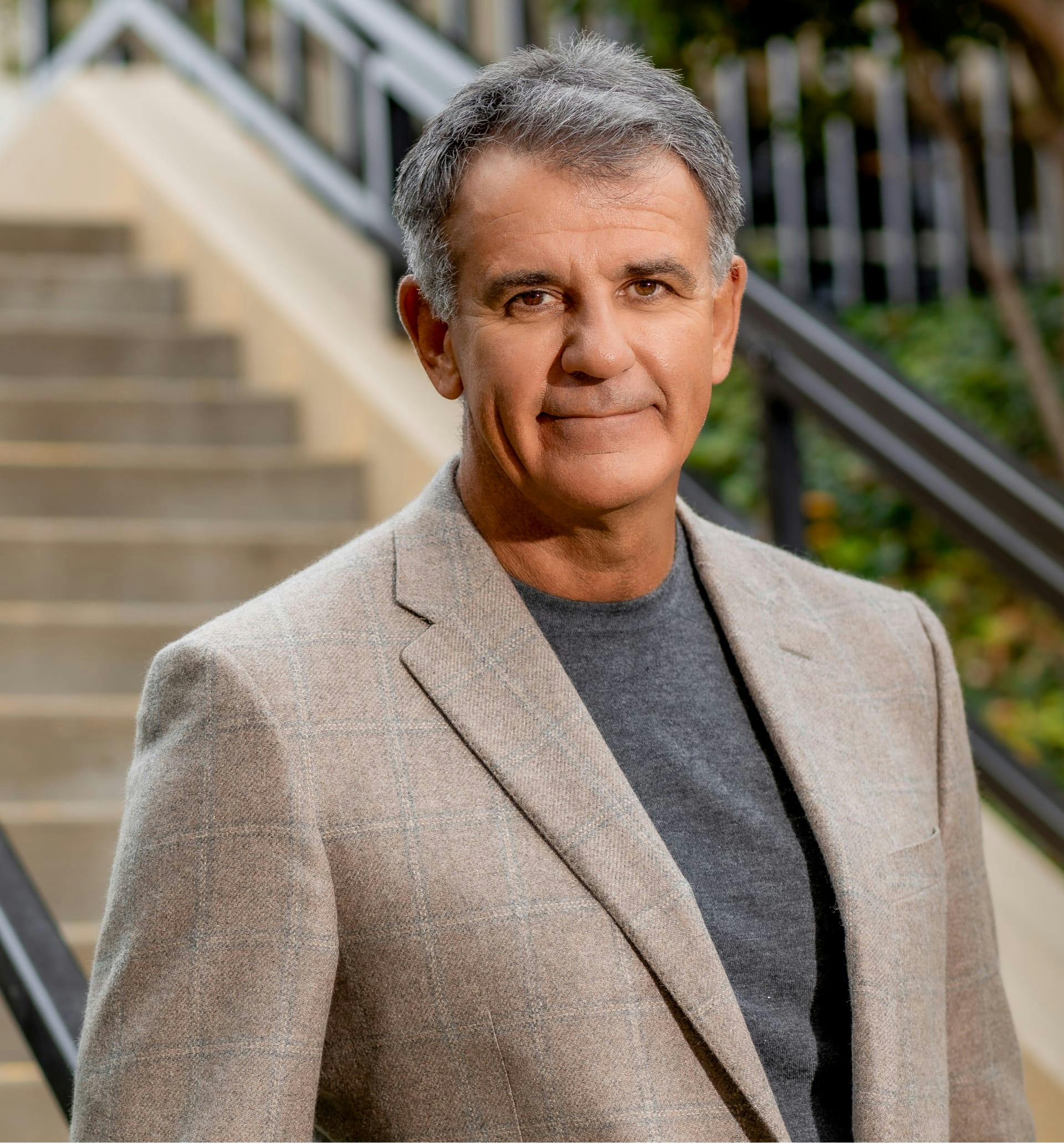

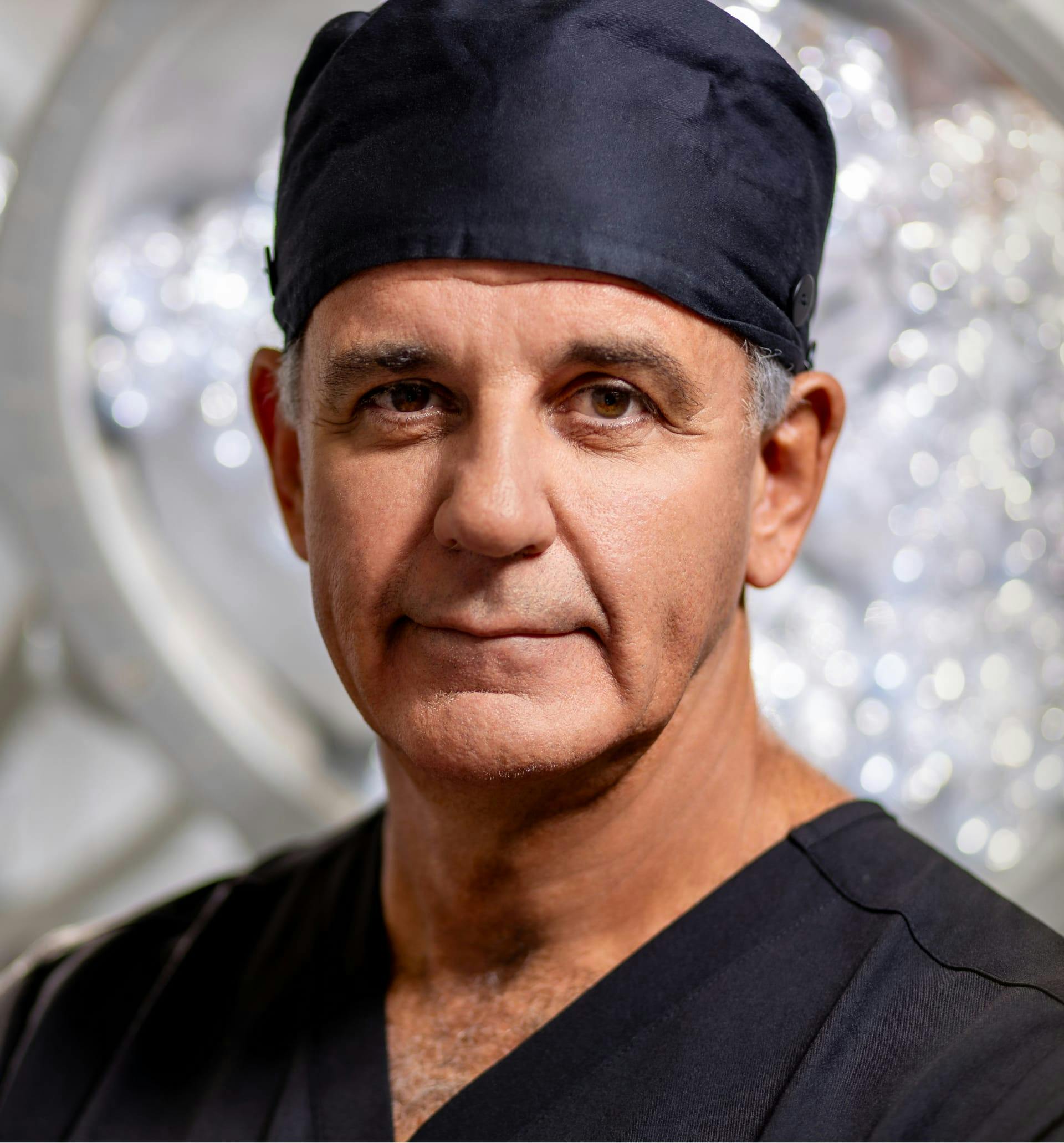
Dr. Glynn Bolitho
Dr. Glynn Bolitho
Dr. Glynn Bolitho
Dr. Glynn Bolitho was born and raised in South Africa and is a second-generation physician. Dr. Bolitho's extensive background includes completing residencies and fellowships at renowned institutions in Cape Town, Oxford, Emory University and UCSD. He currently serves as an Associate Professor at UCSD.
Dr. Bolitho’s mission is prioritizing patient safety and fostering long-term client relationships throughout his distinguished career of over 30 years. This is accomplished through a commitment to achieving great outcomes of natural, aesthetic results through the use of state-of-the-art techniques and equipment and the highest levels of medical safety standards.
Dr. Bolitho is an accomplished plastic surgeon with over three decades of experience. He holds quadruple board certification in plastic surgery across multiple countries: Fellow of the College of Surgeons of South Africa, General Medical Council, United Kingdom, Royal College of Surgeons and Physicians of Canada, and American Board of Plastic Surgery.
Biography
Mission
Quadruple Board Certification
Dr. Bolitho selected for the eighth consecutive year as a Castle Connolly Top Doctor.
Dr. Bolitho has been voted Top Plastic Surgeon for eight years by his peers at the San Diego County Medical Society.
Dr. Bolitho was elected Chief of Plastic Surgery for four terms – 8 years at Scripps Memorial Hospital La Jolla.
Television & Print In the Media
Dr. Bolitho’s experience and expertise in cosmetic and reconstructive surgery has earned him a reputation as trusted medical advisor to the San Diego community and nationwide. He has appeared on a variety of local and national television stations advising on topics such as how to choose a plastic surgeon, and breast reconstruction.

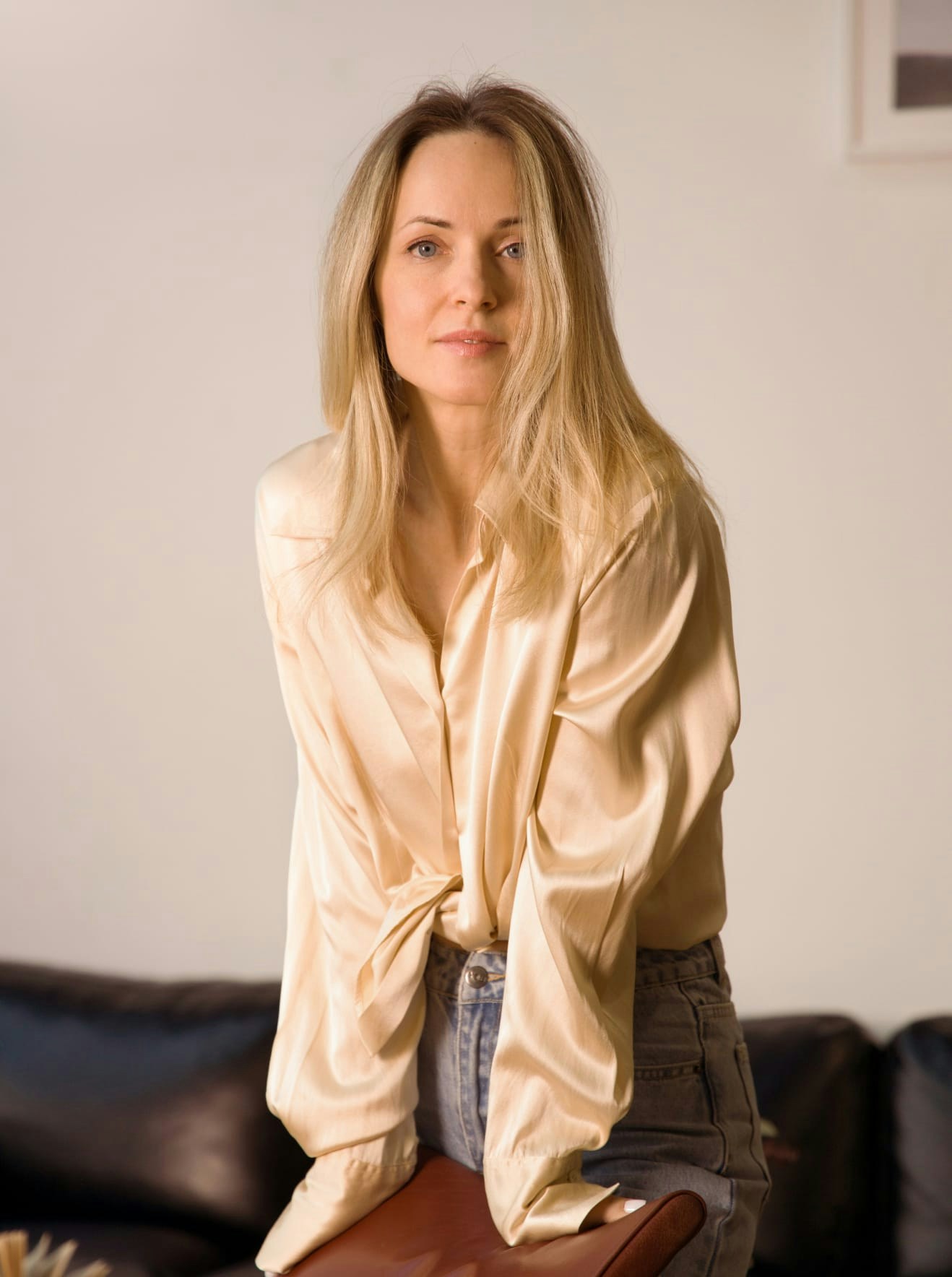
The Bolitho Facelift Renew Yourself
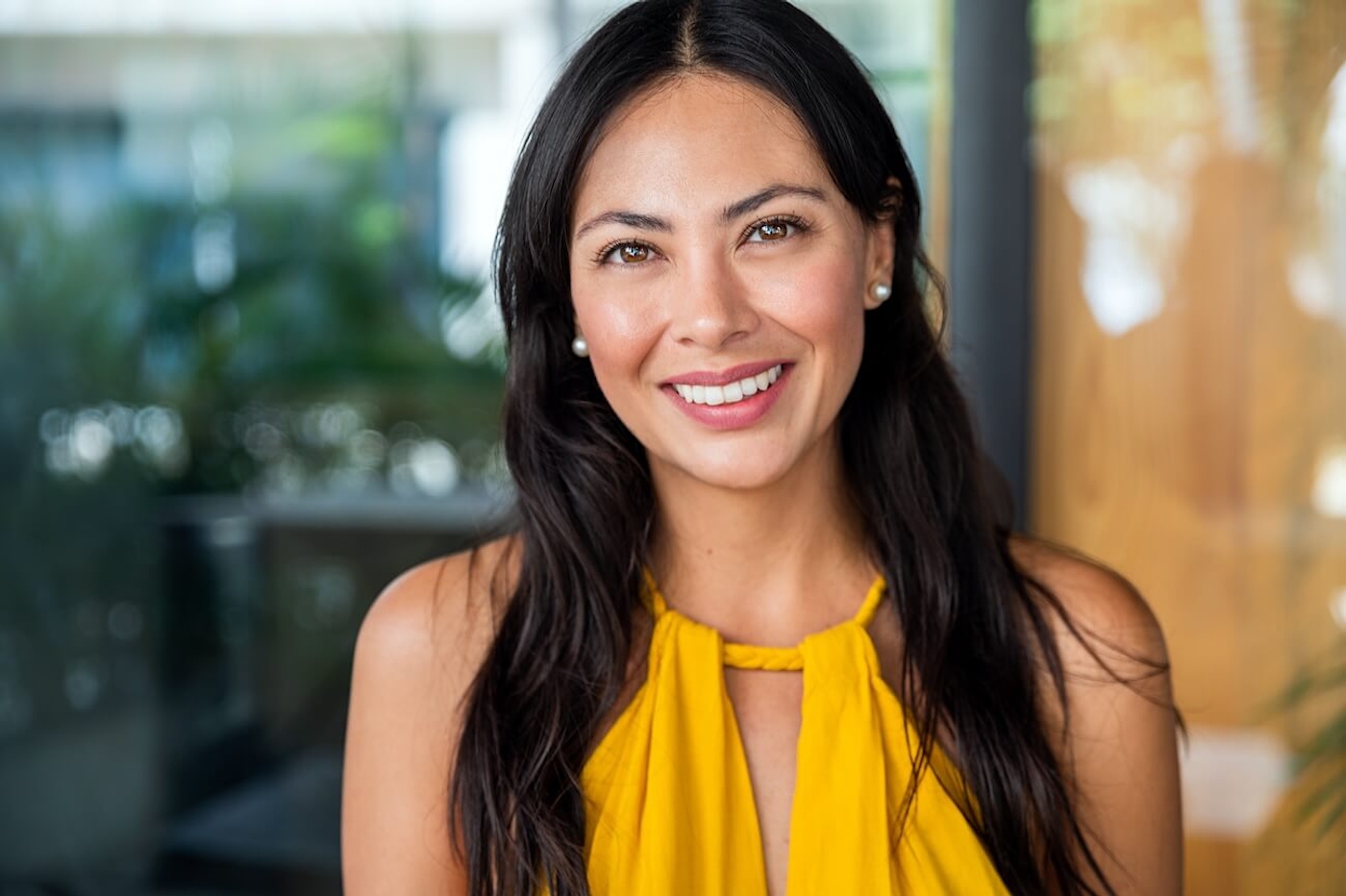
Dr. Bolitho's signature Facelift is a rejuvenation journey like no other. The Bolitho Facelift is a comprehensive approach, expertly combining facelift, deep plane facelift, and neck lift techniques to provide a harmonious rejuvenation. The traditional facelift addresses sagging facial skin and tightens underlying muscles for an overall youthful appearance. The deep plane facelift delves deeper to address mid-face sagging and provides long-lasting, natural-looking results. Simultaneously, the neck lift technique ensures that the neck area is beautifully contoured, erasing any signs of aging. This combination of advanced techniques, tailored to your unique needs, creates a transformation that is both stunning and subtle.

My face looks wonderful and natural. I am so happy because it was important to me to look as natural as possible and I look natural - but much, much better.

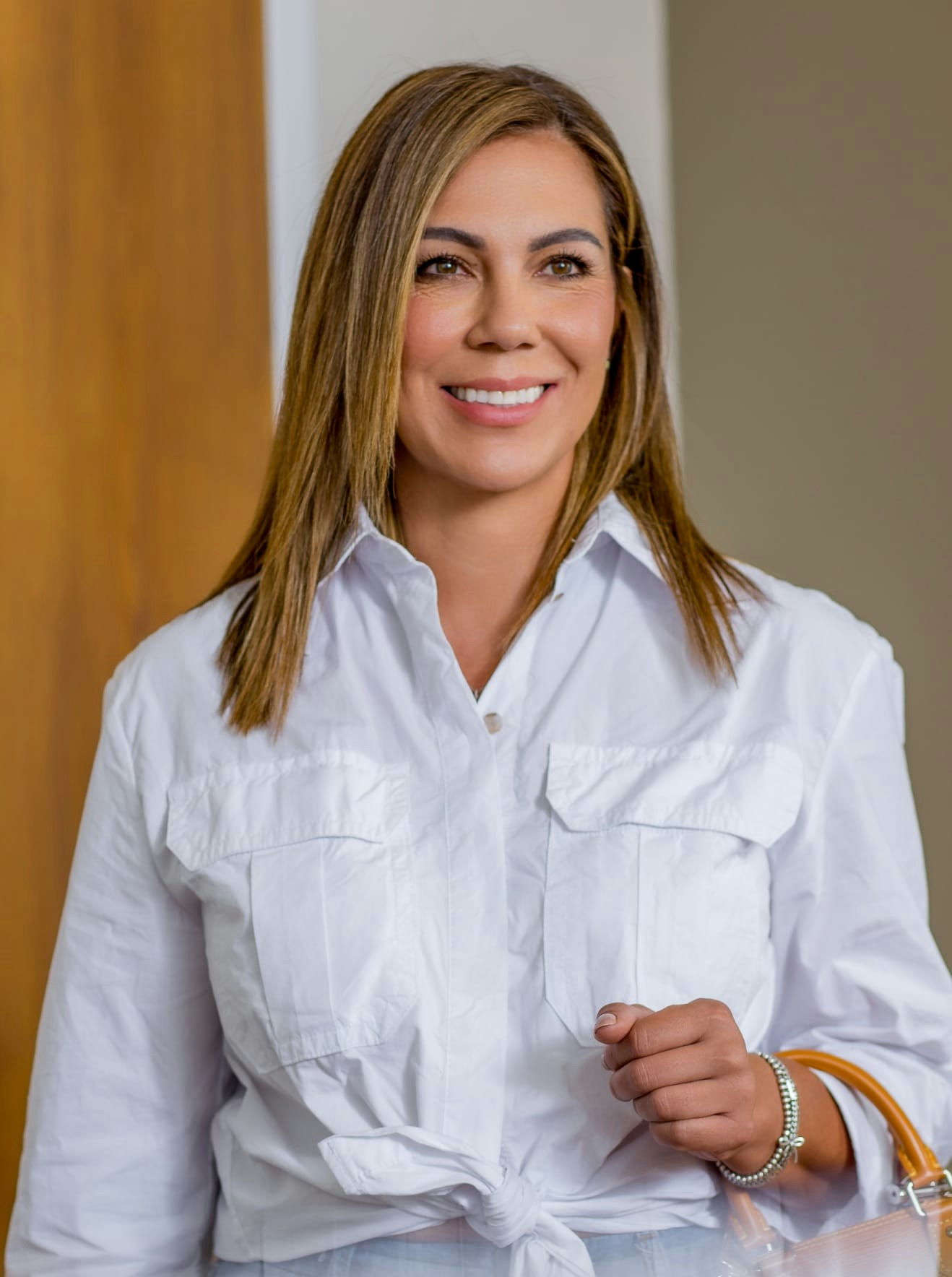
Facial procedures Brighten & Refresh
Facial procedures offer you the chance to enhance your natural beauty and regain a youthful appearance. Dr. Bolitho takes a personalized. approach to facial procedures, recognizing that every individual has unique needs and desires. His goal is to create a naturally rejuvenated appearance that suits your distinct features. Whether it's a rhinoplasty to enhance facial harmony, buccal fat pad removal for refined cheek contours, facial fat grafting to restore volume, or a lip lift for fuller lips and a rejuvenated lower facial profile, Dr. Bolitho's expertise ensures that each procedure is customized to achieve your specific aesthetic wishes while maintaining patient safety and well-being.

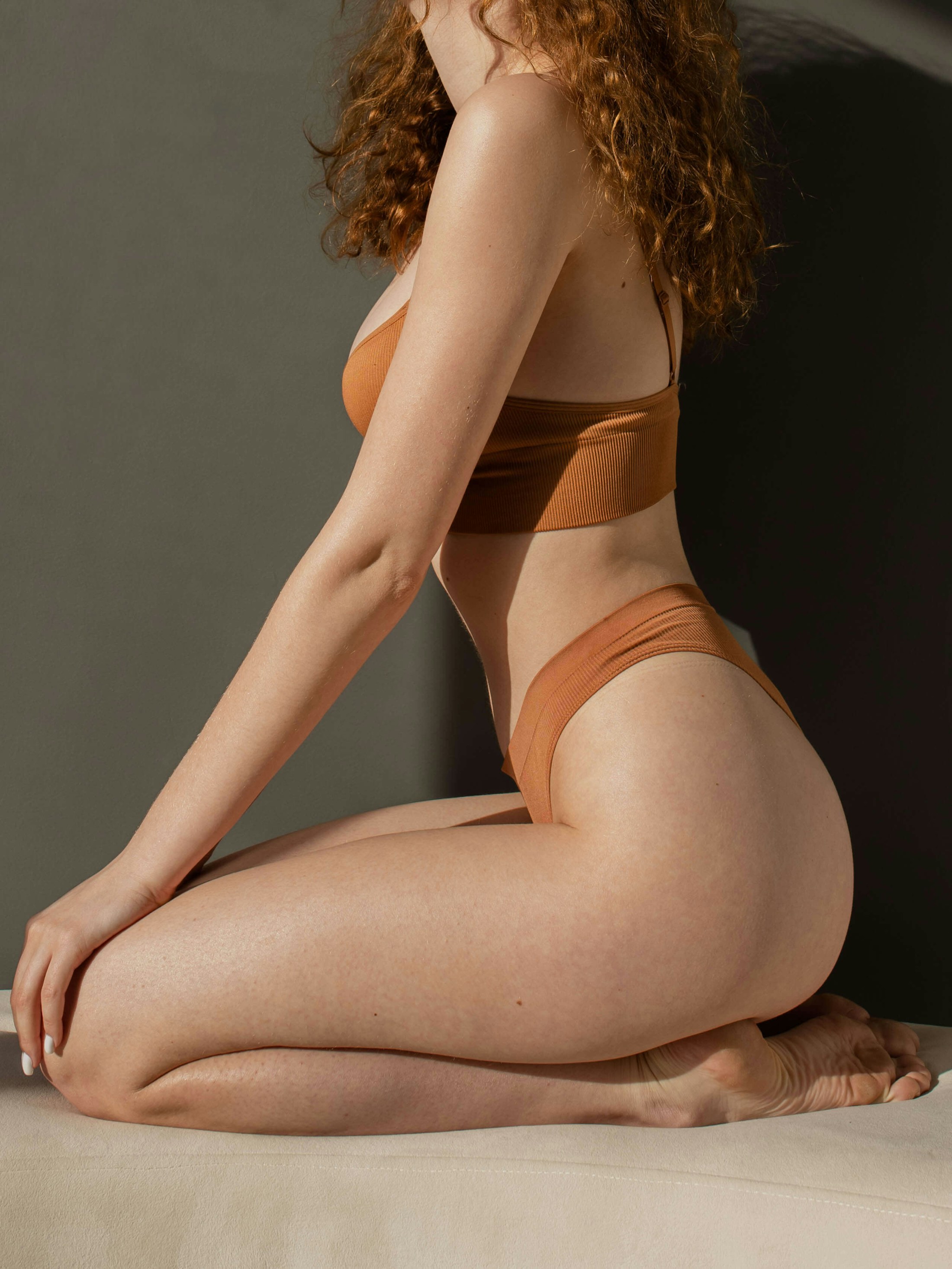
Rejuvenated Confidence Breast & Body
Breast and body cosmetic surgery can be your path to achieving natural-looking results and renewed self-confidence. Dr. Bolitho's expertise and dedication ensure a personalized approach for a transformation that feels true to you.


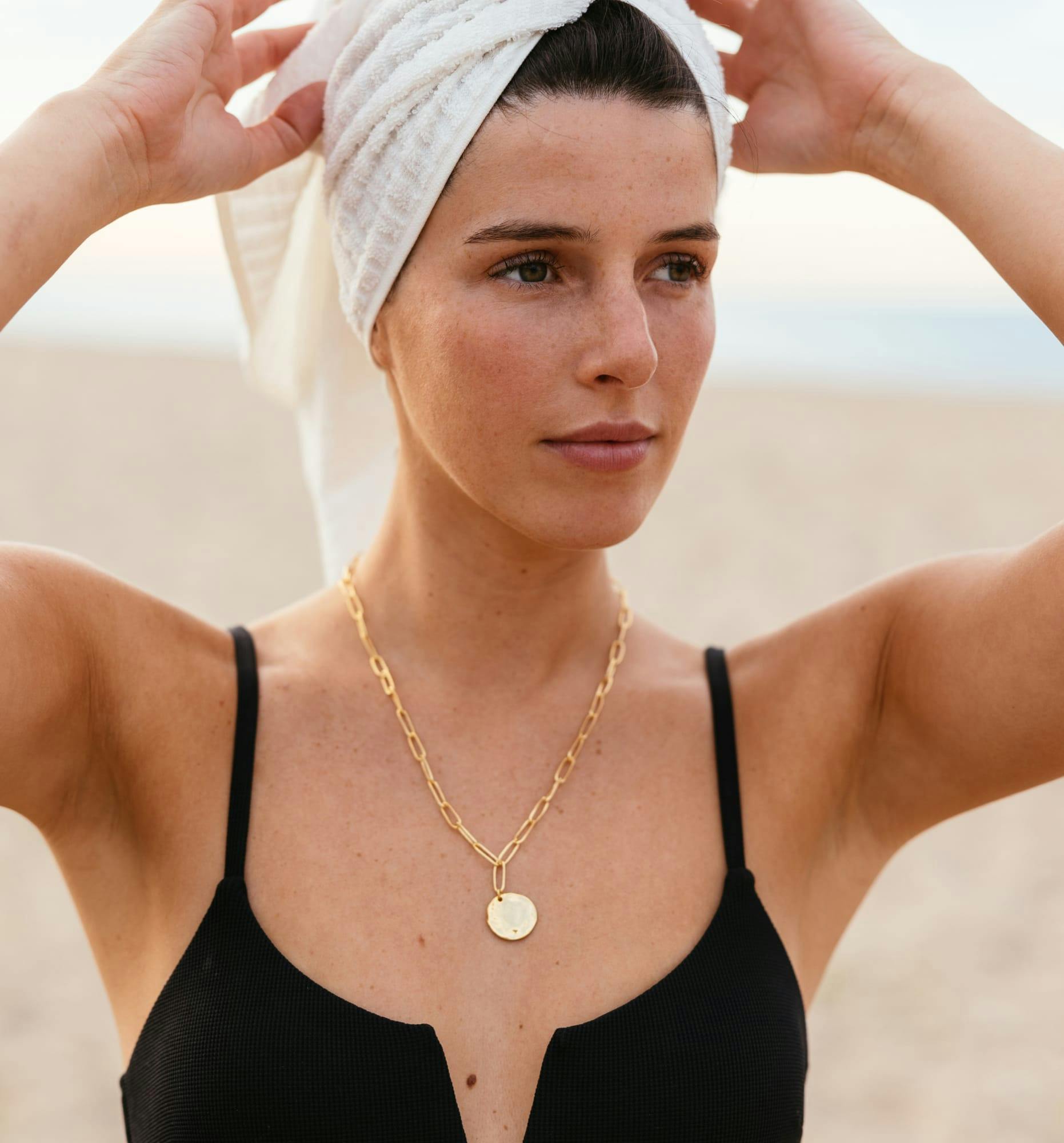
Our Medspa
Our Medspa
Our Medspa
Our Medspa
Injectables provide a non-surgical, highly customizable solution to minimize signs of aging and enhance facial aesthetics. These treatments are designed to reduce wrinkles, fine lines, and restore lost volume while being quick, causing minimal discomfort and little to no downtime, making them a convenient choice for subtle facial rejuvenation.
Laser and energy-based treatments offer a non-invasive, highly effective way to address a variety of skin and rejuvenation concerns. These advanced procedures can improve skin texture, reduce wrinkles, minimize pigmentation irregularities, and stimulate collagen production, making them an excellent choice for enhancing skin's health and appearance.
Facial rejuvenation procedures are customized to your skin renewal concerns and wishes, providing you with a natural, refreshed look. These non-surgical treatments target common signs of aging like fine lines, wrinkles, sunspots, and uneven skin texture and utilize a combination of innovative techniques to provide smoother, more youthful-looking skin.
High-quality skincare products chosen by Dr. Bolitho for effectiveness offer personalized solutions to address a variety of skin concerns, including signs of aging, sun damage, and more. By combining advanced ingredients and innovative formulas, these skincare products enhance the texture and appearance of your skin.
Injectables
Lasers and Energy
Facial Rejuvenation
Skincare
We Welcome Traveling Patients
We're dedicated to making your journey to Dr. Bolitho’s offices as smooth and stress-free as possible. Explore the valuable information and support tailored to our out-of-town patients here.

Our Facility
Our Facility
Our Facility
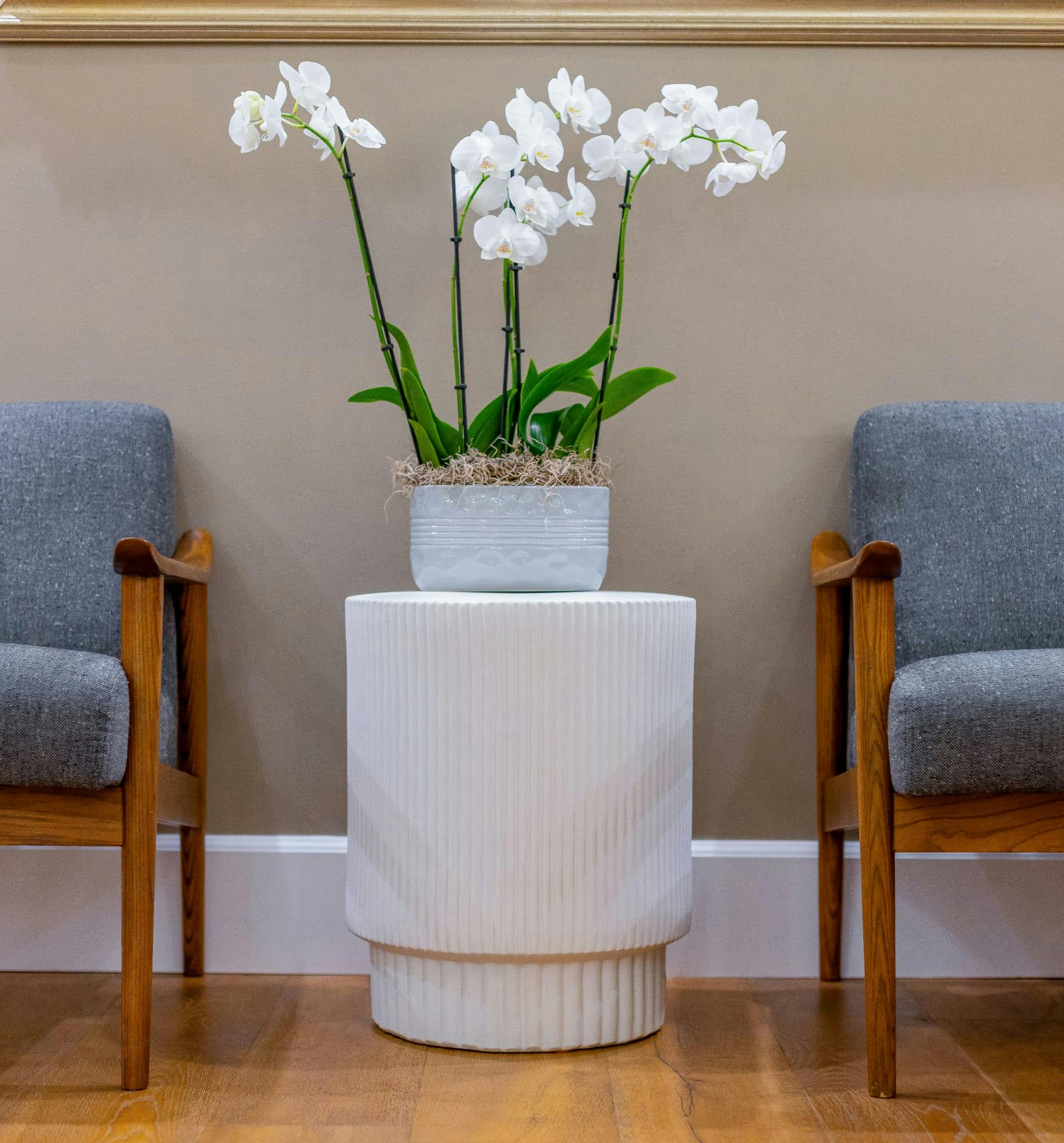
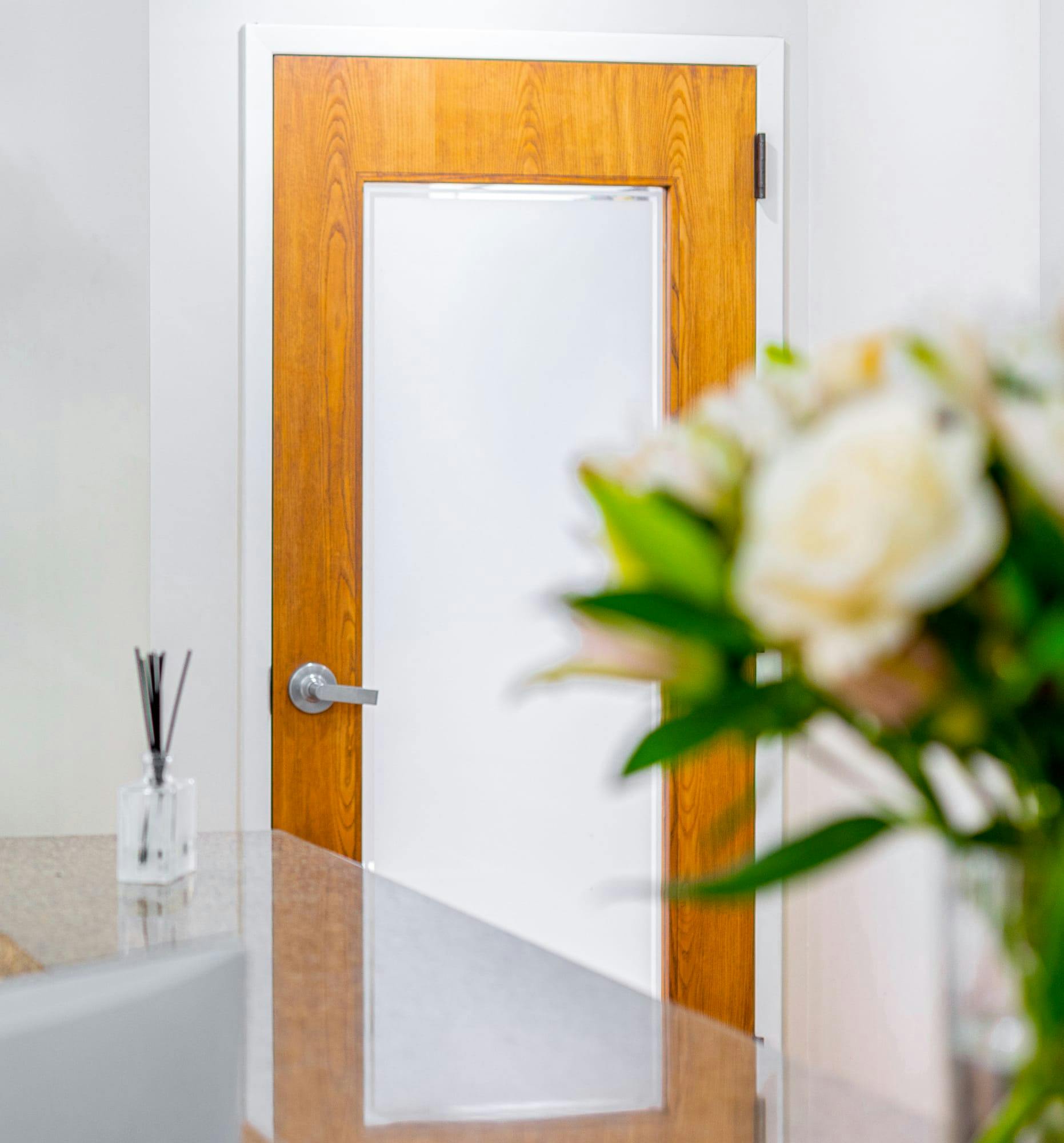
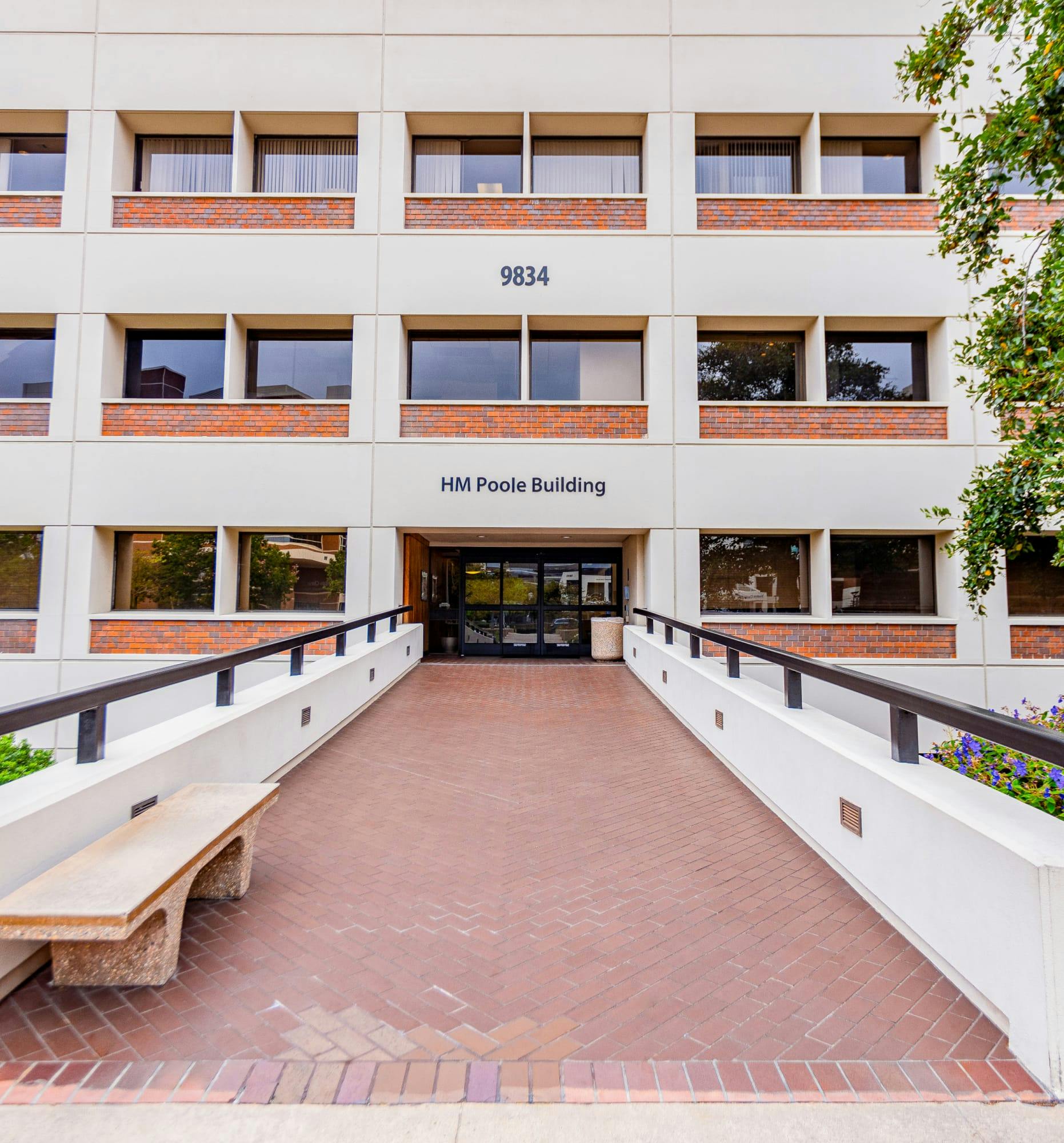
Our offices comprise a state-of-the-art facility where cutting-edge medical technology and the highest standards in patient safety meet a warm and welcoming environment. Dr. Bolitho and his team want only the best for your entire aesthetic journey. Patients can expect a comfortable and professional setting that prioritizes their well-being and privacy.
Our consulting suite is designed with your comfort, privacy, and peace of mind at the forefront. It's a welcoming space where you can discuss your concerns, aesthetic wishes, and procedures with Dr. Bolitho. We aim to put you at ease, providing a personalized experience tailored to your unique needs.
We've gone above and beyond to ensure that our state-of-the-art operating suite meets stringent national standards for equipment, operating room safety, and the personnel qualifications, including board-certified anesthesiologists. Dr. Bolitho and his team are dedicated to delivering procedures with the utmost safety and care.
Overview
Consulting and Suite
Operating Suite